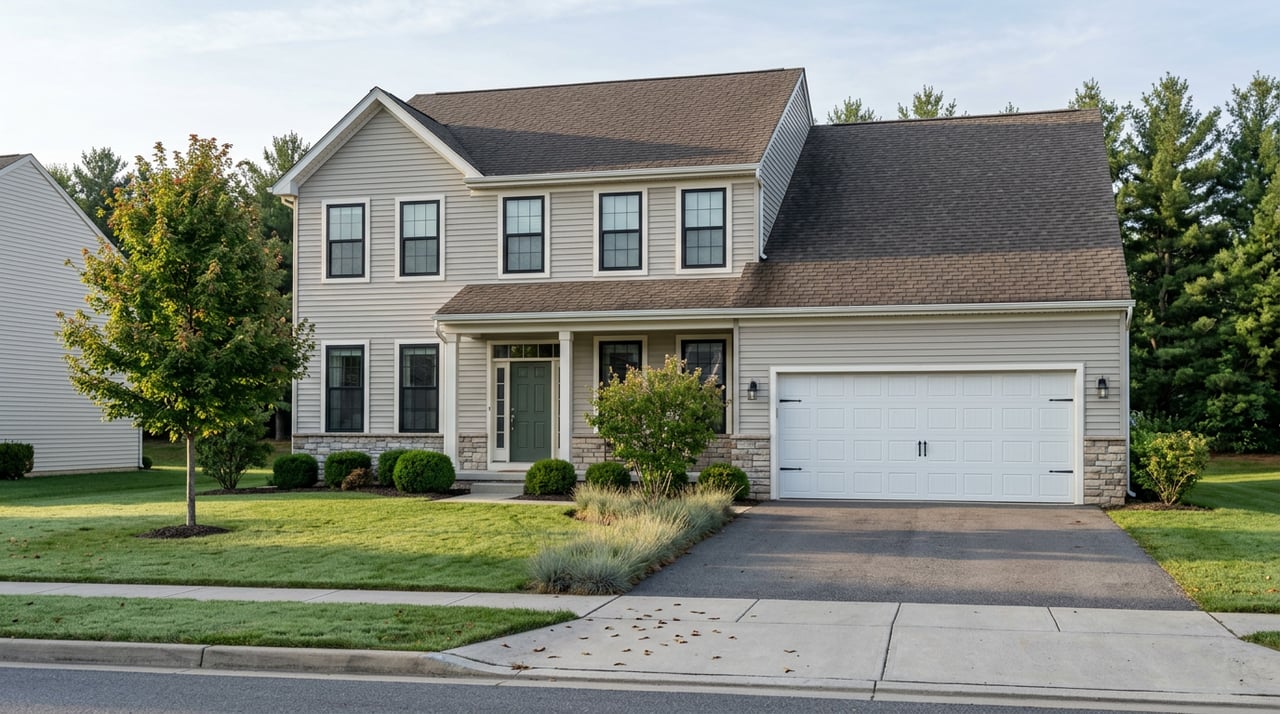
Things to Do in Wrightsville PA: Riverfest and Local Gems
September 3, 2026
September 3, 2026
"This is one of the most unique historic commemorations in Pennsylvania."
That's Hope Byers of the Susquehanna National Heritage Area, talking about a bridge most Wrightsville residents drive across without thinking twice. Route 462 carries you over the Susquehanna to Columbia and back, the way it has for decades. Then, during Riverfest, it can stop carrying cars altogether.
On June 26 through 28, 2026, the Susquehanna National Heritage Area ran its expanded Riverfest, commemorating the night in 1863 when local residents burned the covered bridge connecting Wrightsville to Columbia so Confederate troops couldn't cross the river and push toward Harrisburg or Philadelphia. The Battle of Gettysburg started days later. For the Sunday finale, SNHA closed the entire Veterans Memorial Bridge to vehicle traffic and opened it to pedestrians only, so people could walk out over the water and watch a re-creation of the burning play out below in a line of illuminated bridge piers. SNHA described it as the first time in years the bridge had been shut down completely for the event. The Columbia Water Company and John Klinedinst sponsored the bridge entrances and the safety teams working both sides of the river that night.
If you live in Wrightsville, you already knew Riverfest happened. What's easy to miss is how much that one closed bridge tells you about how this town treats everything else it owns.
Most days, the Veterans Memorial Bridge is just infrastructure. It gets you to work, to the grocery store in Columbia, to the other side of the river without a second thought. Riverfest works precisely because that ordinariness gets interrupted on purpose. SNHA didn't build a new attraction to draw people to the river. It borrowed a bridge everyone already uses and, for one weekend, changed what it was for.
That's the pattern worth noticing, because Wrightsville does this more than once. The town's most-visited spots aren't things built for tourists. They're pieces of working river infrastructure that got repurposed for public use, one at a time, over the better part of two centuries.
Drive out Long Level Road and you'll pass the Zimmerman Center for Heritage, a riverfront home dating to the mid-18th century. John and Kathryn Zimmerman restored it in the late 1990s, then donated the property to the Susquehanna National Heritage Area in 2007, when it was dedicated in their honor and opened to the public.
Today the Zimmerman Center is Pennsylvania's official visitor contact and passport station for the Captain John Smith Chesapeake National Historic Trail. From the grounds you can hike to Native Lands County Park and pick up the Mason-Dixon Trail, view the Visions of the Susquehanna River art collection, or catch a seasonal River Discovery Boat Tour aboard the Chief Uncas, a 55-foot, all-electric wooden boat that runs June through October, weather permitting. A private home turned into a working trailhead and boat launch. Same move as the bridge, just permanent instead of a single weekend.
Historic Wrightsville, Inc. does something similar with its museum at 309 Locust Street, a house built in 1871 by Calvin S. Budding, an adjutant in the 45th Regiment Pennsylvania Volunteers. The home passed down through his descendants until it was given to the nonprofit, which now uses it to display the town's history, including the bridge burning itself, told through a diorama a block from the river where it happened.
The organization runs its own recurring calendar, and it's worth knowing the shape of it even if you never attend a single event, because it tells you what this town considers worth repeating every year.
| Recurring Event | What It Actually Is |
|---|---|
| Olde Town Night | Lecture series at Trinity Lutheran Church Fellowship Hall. One past session covered the geology of the building stone used in Wrightsville's AME Zion Church and the Mifflin House, presented by Jerri L. Jones. Another covered the history of the Lincoln Highway, presented by Tom Davidson. |
| Museum Opening | Marks the start of the season at the Wrightsville Historical Museum, typically in March. |
| Ghost Tour, Veterans Day, Scavenger Hunt, Yard Sale | Annual fixtures on Historic Wrightsville's own event gallery, run alongside a Members Banquet and Holiday Tea later in the year. |
None of this is built for out-of-town visitors chasing a festival. It's a small nonprofit keeping a Civil War river town's memory in circulation for the people who already live along Front and Locust Streets.
Walk down to the water and the restaurants follow the same logic: buildings and locations tied to the river doing double duty as places to eat.
John Wright Restaurant sits at 234 North Front Street, with a four-season dining room that looks straight out at the Susquehanna. It runs a seasonal wood-fired pizza patio in warmer months, and its second-floor event space, the River Room, gets booked for weddings and receptions that use the same river view as a backdrop. The restaurant carries the name of the same John Wright the Penn family licensed in 1733 to run the ferry crossing here, back when getting across the river meant paying a ferryman instead of driving over a bridge.
A few blocks over, Burning Bridge Tavern keeps the town's defining event in its name without making a production of it. Down at 960 Hellam Street, Rivertowne Restaurant runs breakfast through dinner most days of the week. Riverside Subs, a family-run sandwich shop, has built its reputation the old way, one regular customer at a time, rather than chasing foot traffic from a highway exit.
None of these places are new. They're what Front Street has looked like for a while, and that's exactly the point. Wrightsville doesn't manufacture its identity from scratch. It keeps finding new uses for what the river already gave it: a ferry crossing, a burned bridge, a colonial home, a Civil War-era house. The town just keeps repurposing what's already here.
None of this changes what your commute looks like on a Tuesday. But it explains why Riverfest draws the crowd it does, why the Zimmerman Center feels more like a trailhead than a museum, and why Historic Wrightsville keeps its lecture series going in a church fellowship hall instead of a rented event space downtown. The town treats its river infrastructure, bridges, ferries, colonial homes, as something to keep using differently rather than something to retire once its original job is done.
That weekend, the bridge closure was more than a road closure. It was Wrightsville doing what it's always done with what the river left behind.
If you're weighing a move within York County or already call Wrightsville home and have questions about the neighborhood, Cindy Folckemer has spent more than two decades working South Central Pennsylvania's river towns. Let's Connect.
Stay up to date on the latest real estate trends.

Cindy provides expert guidance across new construction, short sales, foreclosures, and property management. Known for her strong market knowledge and responsive communication, she is committed to helping buyers and sellers achieve their goals with integrity, care, and dependable service every step of the way.