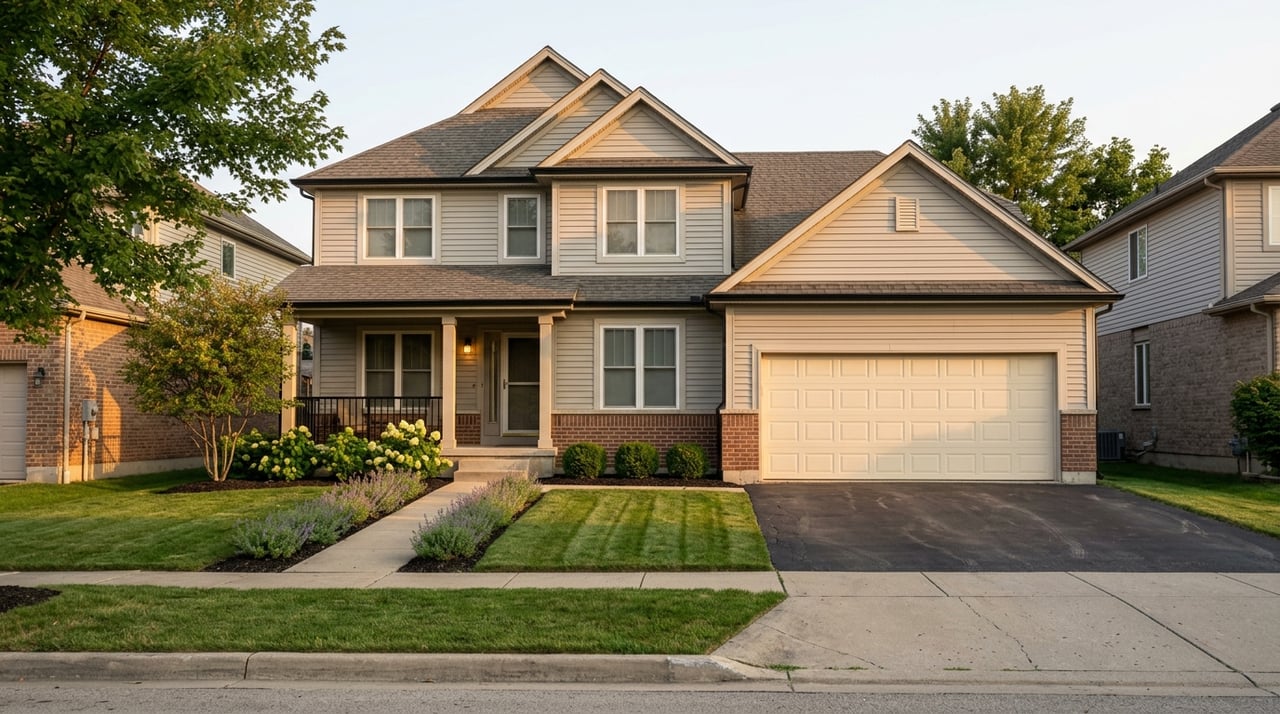
Lancaster PA Lifestyle: What Daily Life Feels Like
July 2, 2026
July 2, 2026
Wondering what everyday life in Lancaster, PA actually feels like once the weekend visit is over? That is often the real question when you are thinking about a move. You want more than a list of attractions. You want a sense of how the city works day to day, how neighborhoods feel, and what your routine might look like. This guide will help you picture Lancaster’s daily rhythm, from housing and walkability to parks, dining, and getting around. Let’s dive in.
Lancaster has a small-city feel that tends to be more neighborhood-centered than sprawling. According to city and tourism sources, the city covers about 7 square miles and has roughly 60,000 residents, which helps daily life feel compact and connected.
That size shapes how you experience the city. Instead of feeling spread out across long corridors, Lancaster often feels organized block by block. The city also recognizes established neighborhood groups, which points to a strong tradition of local involvement and community identity.
One of the most noticeable parts of life in Lancaster is how specific each area feels. Neighborhood names like Chestnut Hill, East Side, Musser Park, Old Town, SoWe, and West Lancaster Jewels reflect a city where people often identify closely with the blocks around them.
For you as a buyer, that means it is worth looking beyond broad citywide impressions. Two homes in Lancaster may share the same zip code but offer a different day-to-day experience based on nearby parks, commercial areas, and how walkable that exact location is.
Lancaster is often described as very walkable, especially near the core. Visit Lancaster City calls it a walker’s paradise, and Walk Score lists the citywide average at 81.
Still, walkability is not uniform across every address. Some blocks place you close to shops, dining, and everyday errands, while others may feel quieter and require more driving. If your routine depends on walking to coffee, the market, or parks, the exact location matters a lot.
Lancaster’s housing stock tells a big part of the city’s story. The city notes that rowhouses became the predominant housing form in the 1800s, and many historic buildings are brick, often with details like Victorian porches or decorative brickwork.
You will also see homes shaped by later eras, including many rowhouses from the 1920s and 1930s with brick veneer over frame construction. Overall, Lancaster tends to offer a more historic, porch-rich, urban housing feel than many suburban markets nearby.
If you are drawn to older homes, Lancaster may check a lot of boxes. Brick exteriors, attached homes, and compact lots are part of the city’s character, and that can be appealing if you want charm and a close-to-town lifestyle.
At the same time, older housing can come with extra things to understand. Lancaster has two local historic districts, and exterior work in those areas may be subject to review. That is important to know early if you are considering changes to a property’s exterior.
Downtown Lancaster plays a major role in everyday life. It is not just a place people visit on special occasions. It is a commercial and cultural hub that helps set the city’s weekly rhythm.
Sources highlight nearly 150 independent retailers, a wide mix of cuisines, and farm-to-table dining. The 300 Block of North Queen Street is especially known for boutiques and antiques, giving downtown a strong local-business feel rather than a generic retail pattern.
Lancaster Central Market is one of the city’s best-known anchors, and it sits right at Penn Square. It is open Tuesdays, Fridays, and Saturdays, which helps shape the flow of the week for many residents.
Because the market has roots going back to the 1730s and is described as America’s oldest farmers’ market building, it brings history into everyday errands. If you enjoy working local food shopping into your regular routine, this is one of Lancaster’s defining lifestyle features.
Lancaster’s rhythm is not only about work and errands. The city also has a steady arts and events scene that adds energy throughout the month and year.
Downtown hosts First Fridays every month and Music Fridays from May through September. The arts presence also includes places like the Fulton Theatre, Prima Theatre, Lancaster Symphony Orchestra, the Demuth Museum, Lancaster Museum of Art, the Phillips Museum of Art, the Ware Center, and Gallery Row on North Prince Street.
For you, that can mean a city lifestyle with built-in options for a night out without needing a major production or long drive. It gives Lancaster a lived-in cultural feel that goes beyond occasional big events.
Lancaster also supports daily life with a strong network of parks. The city lists neighborhood spaces like Binn’s Park, Buchanan Park, Musser Park, Reservoir Park, South End Park, Sixth Ward Park, and others.
That variety matters because it gives many neighborhoods easy access to outdoor space. Instead of relying on one major park across town, Lancaster offers smaller and larger green spaces that can fit naturally into your routine.
Long’s Park is one of Lancaster’s signature outdoor spots. The city describes it as an 80-acre park with a lake, tennis courts, a fitness trail, playgrounds, and a petting farm.
It also hosts a free Summer Music Series and an annual Labor Day Weekend Art Festival. If outdoor time is important to you, Long’s Park gives Lancaster a major recreational anchor that supports both everyday use and seasonal events.
If you have a dog, Buchanan Dog Park is worth noting. The city says it includes separate small- and large-dog areas with splash pads.
That kind of amenity can make a difference in daily life. It is one more example of how Lancaster’s outdoor options are woven into neighborhood routines, not just reserved for occasional use.
Lancaster’s lifestyle also benefits from nearby outdoor options beyond city limits. Lancaster County’s Mill Creek Camping Area is a tent-only campground just two miles south of downtown.
County Central Park adds trails through woods, meadows, and the Conestoga River corridor, along with views toward Lancaster City. If you like having both urban convenience and easy access to natural spaces, Lancaster offers a nice balance.
Not every Lancaster household will rely on the same transportation pattern, and that is part of the city’s appeal. The city lists train, bus, trolley, and taxi service, while Red Rose Transit places bus stops throughout the city and county.
That flexibility can help if you want options beyond driving everywhere. It also supports Lancaster’s compact feel, especially for people who value a more connected daily routine.
Visit Lancaster City says Lancaster has more than 17 miles of bike infrastructure. That helps reinforce the sense that the city is navigable in different ways, particularly in and around more connected areas.
If you do drive, practical access is still part of the picture. The city says garages and on-street meters are close to attractions, with about 1,100 metered spaces across Lancaster City. That mix of parking and alternative transportation gives you more than one way to handle daily errands or downtown outings.
For many people, everyday life in Lancaster comes down to convenience, character, and routine. You may find yourself living in a brick rowhome or older house with porch details, heading downtown for local shopping or market days, and using nearby parks as part of your normal week.
The city often appeals to buyers who want a strong sense of place. It offers a historic housing backdrop, an active downtown, and neighborhood identities that feel more personal than interchangeable.
If you are comparing Lancaster with more suburban parts of South Central Pennsylvania, the biggest difference may be rhythm. Lancaster tends to feel denser, more block-based, and more tied to local businesses, walkable pockets, and older housing stock.
If you want help thinking through which Lancaster area best fits your lifestyle, commute, and housing goals, Cindy Folckemer is here to offer clear, practical guidance every step of the way.
Stay up to date on the latest real estate trends.

Cindy provides expert guidance across new construction, short sales, foreclosures, and property management. Known for her strong market knowledge and responsive communication, she is committed to helping buyers and sellers achieve their goals with integrity, care, and dependable service every step of the way.