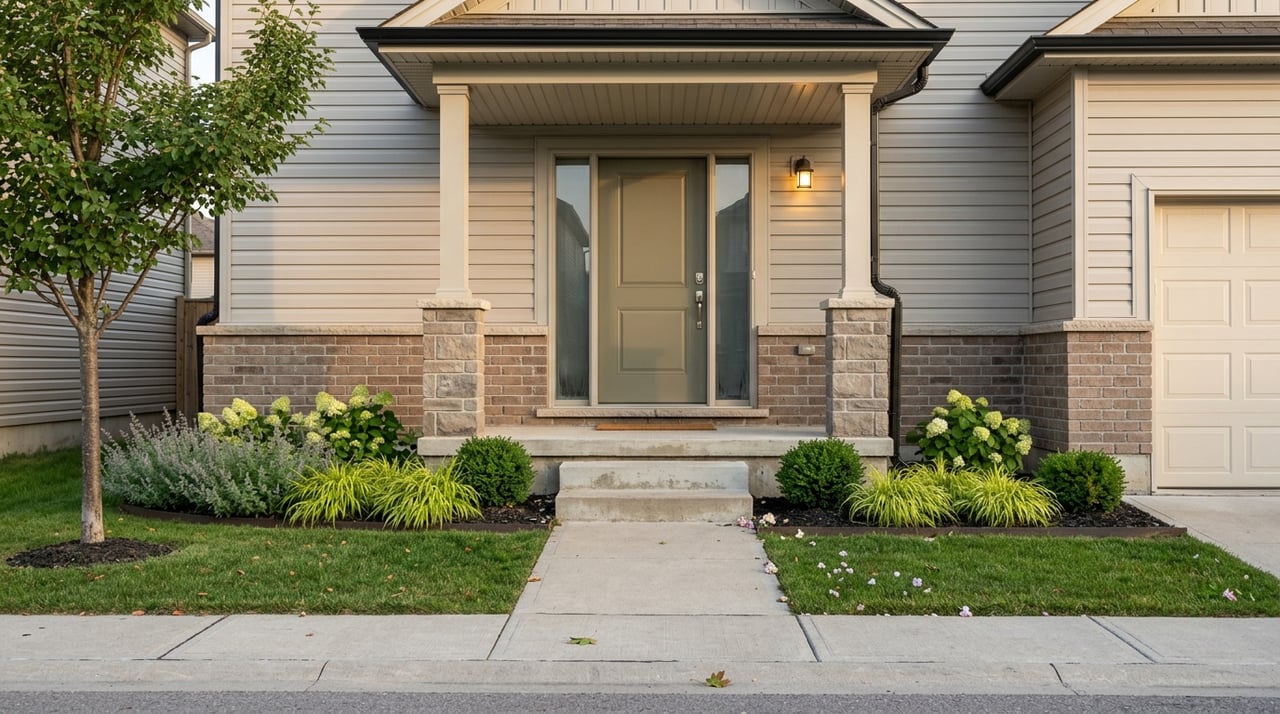
A First-Time Homebuyer Guide for Lancaster, PA
July 16, 2026
July 16, 2026
Buying your first home in Lancaster can feel exciting and overwhelming at the same time. You may be wondering how much house you can afford, what kinds of homes are common here, and how to avoid expensive surprises. The good news is that with the right plan, Lancaster can be a very approachable market for first-time buyers. This guide will walk you through pricing, housing types, financing help, and the buying process so you can move forward with more confidence. Let’s dive in.
Lancaster is not a one-price market, so it helps to separate Lancaster City from Lancaster County. Recent closed-sale data puts the median sale price at about $265,000 in Lancaster City and about $364,000 countywide for the three months ending May 2026. Current listing medians are higher, around $350,000 in the city and $399,000 in the county.
That gap matters because list price and sale price are not the same thing. A home’s condition, location, lot size, and level of updates can move the price up or down in a big way. As a first-time buyer, it helps to think in price ranges instead of searching for one “normal” price.
Census data adds another layer of context. The median value of owner-occupied homes is $219,500 in Lancaster City and $301,100 in the county. That can help you understand the broader housing landscape, even though active listing and recent sale prices are usually more useful when you are actually shopping.
Lancaster City and Lancaster County can offer very different first-time buyer experiences. In the city, owner occupancy is 48.6%, while the county is much more owner-occupied at 69.8%. That tells you Lancaster City has a larger renter population and a different housing mix than many nearby boroughs and townships.
If you are currently renting, the comparison can be useful. Median gross rent is $1,240 in the city and $1,357 in the county. That does not mean owning will always cost less, but it does show why many renters start exploring whether monthly ownership costs could fit their budget.
County listings have also been moving fairly quickly, averaging about 21 days on market. For you, that means preparation matters. If the right home appears, being financially ready can make a big difference.
One of the smartest things you can do as a first-time buyer is match your expectations to the local housing stock. Lancaster City has a large share of attached housing. Based on the city’s housing analysis using 2019 ACS data, about 12% of the housing stock is single-family detached and 48% is single-family attached.
That means rowhomes and townhomes should be a major part of your search if you want to buy in the city. You will also see duplexes and small multifamily-style buildings in the overall housing mix. If you are only picturing a detached home with a large yard, your options in the city may feel more limited.
Lancaster County looks different. The same analysis shows the county is much more oriented toward detached homes, with 55% single-family detached and 21% single-family attached. As you move into the county’s boroughs and townships, detached homes become more common.
Your first step is deciding what matters most to you. If walkability, proximity to city amenities, or a lower entry price matters most, an attached home in Lancaster City may be a strong fit. If you want a detached home, more land, or a more suburban feel, you may find more choices in the county.
Neither option is better across the board. The right choice depends on your budget, lifestyle, and comfort level with maintenance, space, and location. A focused search is usually more productive than trying to shop every type of home in every area.
Older housing is a major part of the Lancaster market, especially in the city. About 56% of Lancaster City housing units were built before 1940, compared with 21% in the county. That does not mean you should avoid older homes, but it does mean you should go in prepared.
Older homes can offer character, established locations, and price points that appeal to first-time buyers. They can also come with aging systems, deferred maintenance, or repair needs that are not obvious during a quick showing. This is where careful planning matters.
If you are buying in Lancaster City, a thorough inspection is especially important. During the inspection period, you can compare the seller’s disclosure with the inspector’s findings and your loan paperwork before moving toward closing. That gives you a clearer picture of what you are buying.
It also helps to build a repair and maintenance cushion into your budget. Even if the home is in solid shape, older properties may need updates over time. The goal is not to be fearful. The goal is to be prepared.
A lot of first-time buyers focus on the listing price and forget the rest of the picture. In reality, your total cost of buying includes several moving parts beyond the home price itself. A smart budget looks at the full cost of ownership from the beginning.
According to the CFPB, buyers should plan for:
It is also important to know that a 20% down payment is not required for every loan. Some buyers use smaller down payments, though that may lead to mortgage insurance depending on the loan type. What matters most is understanding your monthly payment and cash needed to close before you start making offers.
If saving for a down payment feels like the hardest part, you are not alone. Lancaster buyers have access to both statewide and local support options, and that can make a real difference. In this market, buyer education and assistance are part of a normal path to ownership.
PHFA encourages buyers to get educated early and offers free homebuyer counseling and education through approved agencies. PHFA also encourages buyers to connect with a counselor before signing a sales agreement. If a borrower has a middle FICO score below 680 and is using a PHFA loan, PHFA requires completion of an in-person course before closing.
PHFA works through participating lenders rather than taking the mortgage application directly. That means your financing path may involve both a lender and an approved counseling resource. Starting early gives you more time to understand which programs may fit.
PHFA currently offers down-payment and closing-cost assistance programs that may help eligible buyers:
These programs are subject to lender qualification and program rules. Even if you are not sure you will qualify, it is worth asking early rather than assuming assistance is off the table.
Lancaster County also has a local Community Homebuyer Program. County materials show Tenfold provides first-time homebuyer assistance through financial education classes and down-payment assistance for lower-income families. That is a strong local reminder that you do not have to figure this out alone.
It is tempting to begin with online listings and weekend tours, but the practical buying process starts with preapproval. Knowing your financing first helps you set a realistic budget and act more confidently when a home fits. It can also help you avoid falling in love with a home that is outside your range.
The CFPB recommends comparing at least three mortgage offers and getting at least three preapprovals so you can compare loan terms and pricing. Once a lender receives the standard application details, the Loan Estimate should follow within three business days. That form shows estimated costs and loan terms and gives you a solid basis for comparison.
Two loans with the same rate can still have different costs and terms. Comparing preapprovals and Loan Estimates can help you spot differences in fees, mortgage insurance, and cash needed at closing. For a first-time buyer, that extra comparison step can save money and reduce stress later.
Once your offer is accepted, the next phase usually includes underwriting document requests, a home inspection, shopping for homeowners insurance, and shopping for title insurance. This is the part of the transaction where details matter and deadlines come quickly. Staying organized can make the process feel much more manageable.
In Pennsylvania, the seller disclosure is an important part of the transaction. The Real Estate Seller Disclosure Law applies to residential transfers and requires a property disclosure statement. For you, that means the inspection period is a key time to review what the seller disclosed, what the inspector found, and how those details affect your next steps.
Financing and inspection contingencies can also help protect you if the loan falls through or the inspection reveals serious defects. That is one reason it is so important to understand the terms of your offer before you sign. A clear explanation now can help prevent a stressful surprise later.
Before closing, the Closing Disclosure must be delivered at least three business days before closing. This form shows your final mortgage terms and costs, giving you time to compare it with the earlier Loan Estimate and catch errors. In most cases, the home purchase and mortgage closing happen at the same time.
If you want to make the Lancaster process feel less overwhelming, keep your plan simple:
You do not need to know everything on day one. You just need a steady process and the right support.
If you are thinking about buying your first home in Lancaster, having a local guide can make the process feel much more clear. From comparing neighborhoods and home types to understanding inspections, timelines, and next steps, experienced guidance can help you move forward with confidence. When you are ready to talk through your goals, connect with Cindy Folckemer.
Stay up to date on the latest real estate trends.

Cindy provides expert guidance across new construction, short sales, foreclosures, and property management. Known for her strong market knowledge and responsive communication, she is committed to helping buyers and sellers achieve their goals with integrity, care, and dependable service every step of the way.