York vs Lancaster PA: Compare Cost, Commute, and Lifestyle
June 25, 2026
June 25, 2026
Trying to choose between York and Lancaster for your next home? You are not alone. Many buyers compare the two because they are close in distance but offer very different day-to-day experiences. If you are weighing budget, commute, home style, and lifestyle, this guide will help you sort through the tradeoffs and decide which home base fits you best. Let’s dive in.
York and Lancaster may share South Central Pennsylvania roots, but they do not feel the same when you live in them. Lancaster is the larger city, with 58,039 residents counted in the 2020 Census, while York had 44,800. Lancaster also shows a higher median household income at $63,690 compared with $48,420 in York.
From a housing and lifestyle standpoint, the biggest difference is often this: Lancaster tends to feel more compact, walkable, and transit-connected, while York tends to feel more value-oriented and road-accessible. Neither choice is automatically better. The right fit depends on how you want to live every day.
For many buyers, budget is the clearest starting point. Across both current market indicators and Census baseline data, York comes in as the lower-cost market while Lancaster trends higher.
Zillow’s home value index shows Lancaster at $381,586 as of March 31, 2026. York comes in at $280,170 as of May 31, 2026. That puts Lancaster at about $101,000 higher than York on that measure.
Rent trends point in the same direction. Zillow reports average rent at $1,517 in Lancaster and $1,364 in York. Census baseline figures also show a lower median owner-occupied value and lower median gross rent in York.
If you are a first-time buyer or simply want more room in your budget, York may give you more flexibility. If you are willing to pay more for a denser downtown setting and stronger transit access, Lancaster may feel worth the premium.
Lancaster stands out if you want more ways to get around without relying on a car for every trip. The city’s comprehensive plan describes Lancaster as compact, connected, and walkable. It also notes 15.4 miles of on-road bicycling facilities as of April 2023.
Lancaster is also the regional hub for mass transit, with an extensive public bus network and a downtown transit station. The Lancaster train station has Amtrak service and is described in the city plan as the second busiest station in Pennsylvania.
That matters in real life. The same plan says 17% of Lancaster households have no vehicle and 44% have one vehicle. In other words, daily life in Lancaster can work well for people who value walkability, biking, bus access, or train travel.
York has a different transportation advantage. Its comprehensive plan places the city at the intersection of I-83 and US 30, with Lancaster, Harrisburg, Baltimore, Gettysburg, and other destinations reachable within about a 30- to 60-minute drive.
York also has public transit. The York/Hanover bus system has 19 routes and a transfer station in the city, and rabbittransit serves Lancaster County and Northern Maryland as well. There is even a weekday link between York and Lancaster through rabbittransit Route 12, which connects with Downtown Lancaster and Lancaster Amtrak through Red Rose Transit.
If your life revolves around highway commuting, regional driving, or easier car access, York may be the smoother fit. If you want your home base to support more walk-and-transit options, Lancaster has the edge.
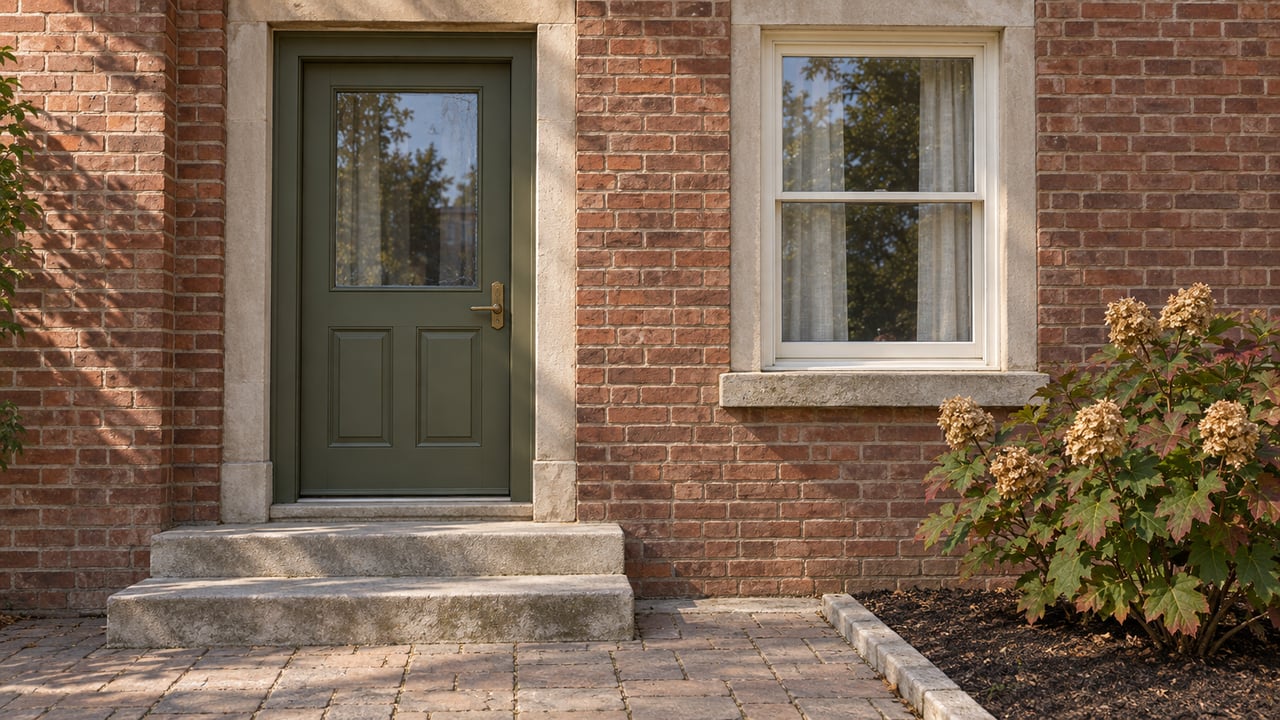
Lancaster is known for older, historic housing stock. The city plan says about 52% of housing units, along with many commercial and industrial buildings, pre-date World War II. The city also notes that historic buildings and districts are a defining part of local character.
That often means brick homes, rowhomes with porches, and neighborhoods with strong architectural identity. If you love charm and a more established urban feel, Lancaster may check a lot of boxes.
But older homes can come with more upkeep. Lancaster’s plan specifically points to issues like lead remediation, repair needs, and adaptive reuse. For buyers, that means inspections, repair history, and the quality of updates matter a lot.
York also has an aging housing stock, but the mix looks a little different. The city plan says nearly 50% of occupied housing units were built before 1939, and more than 90% were built before 1980.
At the same time, York offers a broader spread of home types. According to the plan, 63% of the city’s housing stock is single-family dwellings. The largest category is single-family attached homes at 40.65%, followed by detached homes at 22.65%, with 2-9 unit buildings making up 24.62%.
That mix can be appealing if you want more variety at different price points. You may find options that better match your budget, whether you are looking for an attached home, detached home, or small multifamily property.
Both cities have older homes, and that should shape how you shop. In Lancaster, city planning documents highlight lead, wiring, structural concerns, and repair programs tied to older buildings. In York, the city plan says aging housing stock requires active property maintenance compliance and a steady pipeline of rehabbed units.
The takeaway is simple: older homes can offer character and value, but they deserve careful review. When you compare homes in either city, pay close attention to:
A lower price does not always mean lower long-term cost. A higher price does not always mean fewer projects either.
Lancaster’s downtown is officially described as walkable and is anchored by places like Lancaster Central Market, the Fulton Theatre, Prima Theatre, and the Ware Center for the Arts. The city’s historic districts and preservation efforts reinforce that compact and architecturally distinct setting.
For many buyers, Lancaster feels like the more urban of the two cities. You may prefer it if you want a downtown-centered lifestyle with shops, arts, and daily destinations closer together.
Downtown York has its own strong identity. It is anchored by Central Market York, the Appell Center for the Performing Arts, and PeoplesBank Park, with tourism materials describing specialty shops, restaurants, and year-round entertainment.
York also stands out for easier car access. The city manages more than 1,000 metered spaces, plus garages and lots, which suggests a downtown that is simpler to approach by car than many dense city centers.
York’s trail and greenway network is another lifestyle plus. The York County Heritage Rail Trail, Codorus Greenway, Boundary Avenue Greenway, and King Street Cycle Track add recreational and mobility options that many buyers value.
When buyers get stuck between York and Lancaster, the answer usually becomes clearer when they focus on everyday priorities instead of city names.
If you want a lower-cost entry point, York is usually the better place to start. If you can stretch your budget for a more compact and transit-connected setting, Lancaster may make sense.
If you prefer driving and quick highway access, York has a strong practical advantage. If you want bus access, train access, walkability, or bike options built into daily life, Lancaster may fit better.
If you are drawn to preserved brick rowhomes and historic character, Lancaster may be the stronger match. If you want a wider spread of attached, detached, and small multifamily options, York may offer more variety.
If you want a denser, more walkable downtown atmosphere, Lancaster may feel like home. If you want a downtown with arts, markets, trails, and easier parking, York may be the better fit.
| Factor | Lancaster | York |
|---|---|---|
| Overall cost | Higher | Lower |
| Commute style | Walkable, transit-rich, rail access | Highway-oriented, car-friendly |
| Housing feel | Historic, compact, character-rich | Varied, value-oriented, mixed housing types |
| Downtown style | Dense, walkable, amenity-heavy | Arts, markets, trails, easier parking |
| Good fit for | Buyers prioritizing walkability and transit | Buyers prioritizing budget and road access |
If your top priorities are budget flexibility, road access, and a broader range of entry-price housing options, York may be the better home base. If your top priorities are walkability, rail access, and a compact historic downtown feel, Lancaster may be the better match.
The good news is that this does not have to be an either-or decision based on reputation alone. The best move is to match your budget, commute path, and preferred home style to the city that supports them best.
If you want help comparing York and Lancaster with your real-life goals in mind, Cindy Folckemer can help you narrow your options and move forward with confidence.
Stay up to date on the latest real estate trends.

Cindy provides expert guidance across new construction, short sales, foreclosures, and property management. Known for her strong market knowledge and responsive communication, she is committed to helping buyers and sellers achieve their goals with integrity, care, and dependable service every step of the way.